Storyblok Alternative for Retail
Compare Storyblok vs Amplience
Discover why enterprise retailers running high-volume content supply chains choose Amplience over Storyblok.
Key takeaways
1. Storyblok is a headless CMS built around a strong visual editor. Amplience is a content operations platform that unifies Amplience CMS, Amplience DAM, and Workforce.
2. Storyblok’s workflow automation, FlowMotion, is a paid Enterprise add-on built on a third-party engine. Workforce is native to the Amplience platform and event-driven.
3. Amplience DAM automates media production, including background removal and swatch extraction, in the same system as the rest of your content. Storyblok’s DAM stores and delivers assets and resizes images on the fly, but doesn’t include background removal.
4. Retailers including John Lewis, Primark, and The Very Group run their content operations on Amplience.
Storyblok is a native headless CMS with a genuinely strong visual editor. For teams that put the editing experience first, it has real strengths. But it was built around the editor, and for retailers running high-volume product content operations, that distinction matters.
Amplience is the content operations platform for commerce. It brings Amplience CMS, Amplience DAM, and AI-powered workflow automation together in one system, designed to run content operations at retail scale. It is also recognized by IDC as a Leader in AI-enabled CMS.
Choosing between Storyblok and Amplience is a choice between a headless CMS with a strong editor, where workflow automation is a paid add-on and the DAM doesn’t automate media production, and a commerce-native content operations platform built for retail scale.
Storyblok vs. Amplience: The strategic difference
In simple terms, Storyblok is built around the editor, and Amplience is built around the whole content operation.
Storyblok: Built around the editor
Storyblok gives you a strong, standalone visual content editor, built for teams who want to add and configure media production and AI orchestration layers around it themselves.
Amplience: The Content Operations Platform
Single pages are easy. Now try 100,000 SKUs.
The Amplience Content Operations Platform unifies Amplience CMS, Amplience DAM, and Workforce in one system, built from the ground up for commerce teams managing high-volume product content at scale.
Storyblok: A strong CMS editor, extended with add-ons
Storyblok’s Visual Editor gives non-technical users a live drag-and-drop preview and for teams that prioritize content editor experience only, it works well.
The gap shows up in automation and asset production. Storyblok’s AI workflow automation, FlowMotion, ships as a paid Enterprise add-on built on a third-party engine, not as part of the core platform, and its DAM doesn’t include the kind of automated image production Amplience builds in by default.
Where Storyblok works
Teams who want to build their own Field Plugins and configure integrations directly, rather than use pre-built connectors.
Earlier-stage or mid-market retailers where an Enterprise automation add-on isn’t a priority yet.
Teams who prioritize editor experience and fast initial setup over platform breadth.
Limitations to consider for retail
AI workflow automation is a paid Enterprise add-on, not included by default.
New commerce fields outside Storyblok’s named apps require custom development.
A 5MB cap on API responses and a limit of 50 resolved relations per request can constrain very large, deeply nested product pages.
AI that assists vs. AI that orchestrates
Both platforms have AI. The difference is how it reaches across content, media, and workflows.
Storyblok: AI in the editor, automation as an add-on
Storyblok’s everyday AI features, rephrasing, translation, alt text, are built into the editor and run on AI credits that come with every plan, with the option on Enterprise to connect your own AI provider. Storyblok Agents, a chat-based assistant, can create, update, and publish stories, run content checks, and translate. It works story by story, and it can read components and assets but not change them. Deeper workflow automation runs through FlowMotion, which embeds a third-party engine called n8n on a managed instance and connects to 500+ pre-built integrations. It’s sold separately as an Enterprise add-on, and its roadmap is bound by n8n’s own architecture and commercial terms. FlowMotion launched in March 2026, and its Strata semantic layer is still in early access with no published customer results.
Amplience: AI that runs the operation
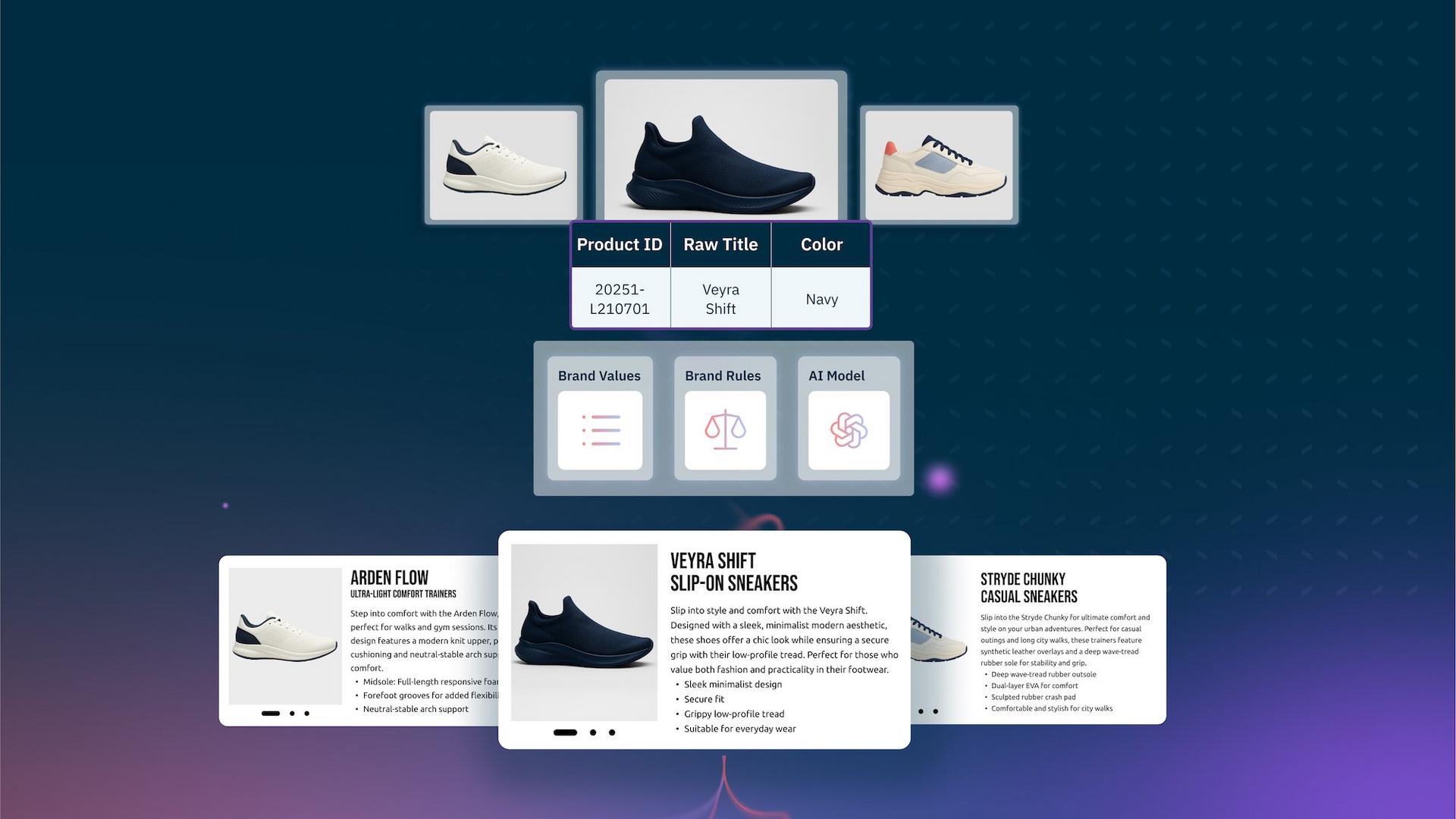
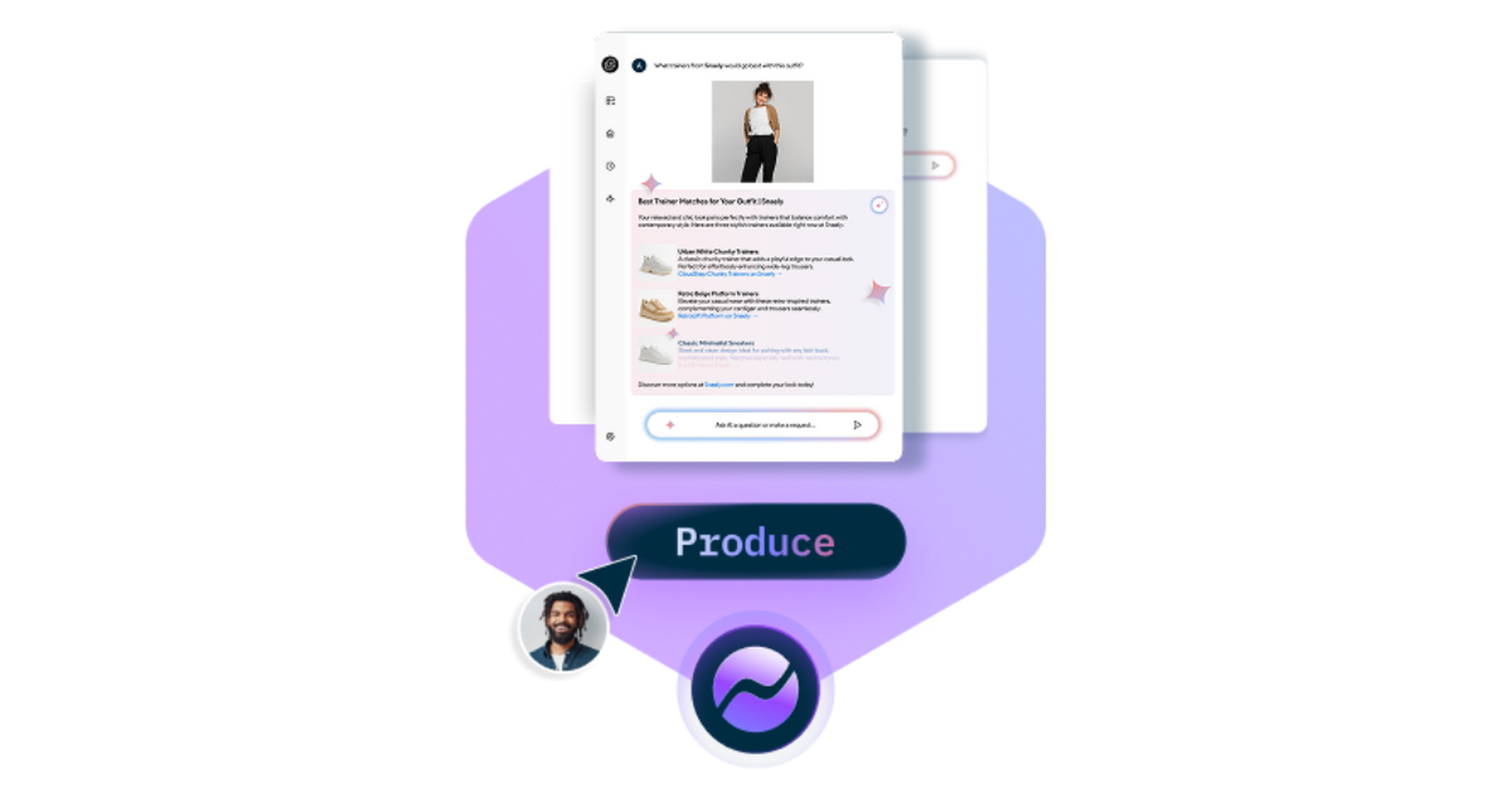
Workforce, Amplience’s AI workflow automation, is native to the platform and event-driven. When a new SKU is added or an inventory change occurs, it triggers AI agents to complete entire workflows in the background, with human checkpoints built in where they matter.
A Workforce agent can autonomously:
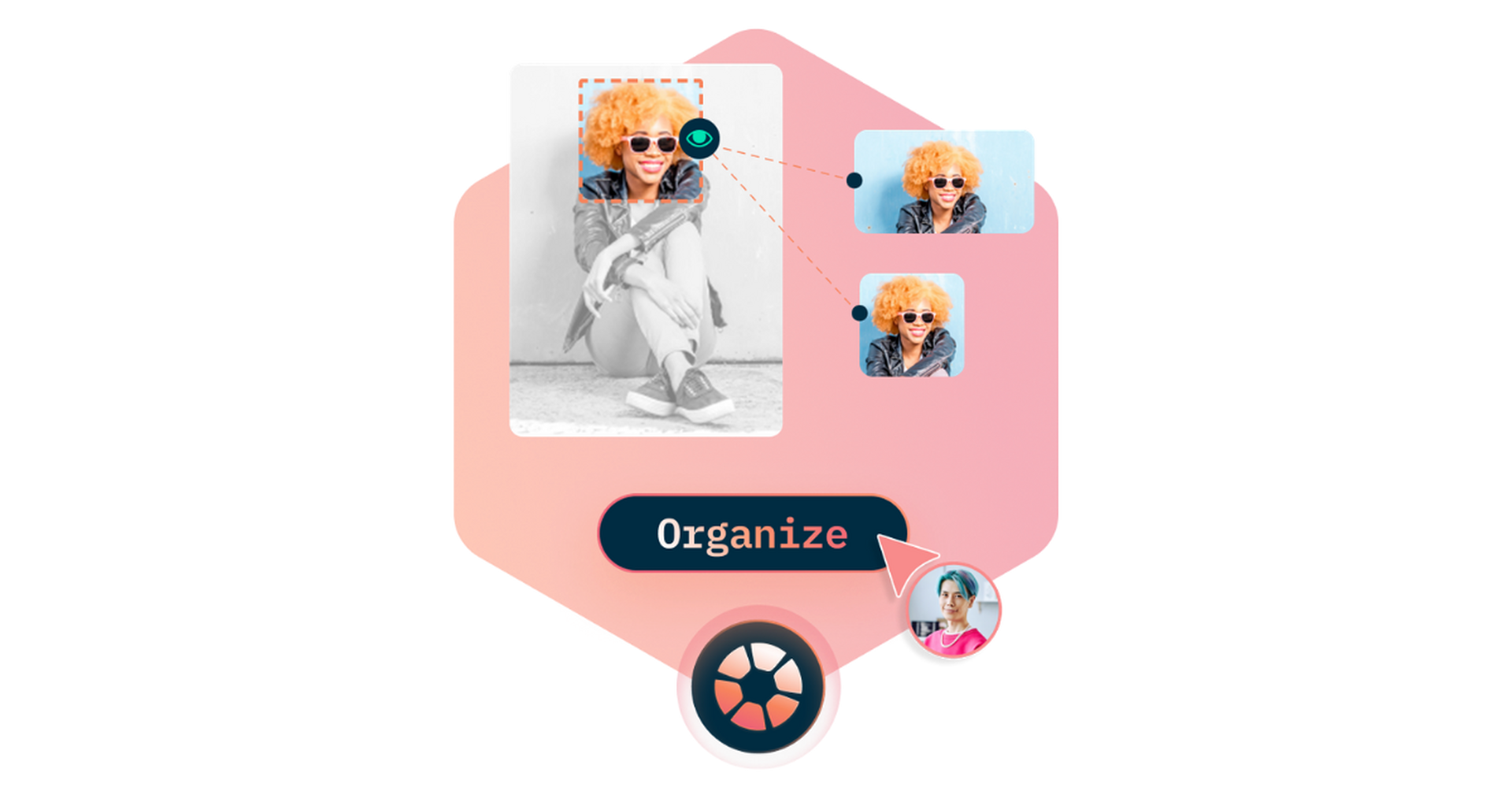
Analyze a raw product image, removing backgrounds, auto-cropping for mobile, and extracting swatches.
Orchestrate across fields, generating SEO metadata, writing brand-aligned copy, and localizing it for every market in a single flow.
Connect the chain, tagging the asset for search and organizing it within your DAM for immediate delivery.
Run parallel workstreams, managing simultaneous brand launches or multi-market updates without manual supervision.
Workforce is already running in production at retailers. The Very Group lifted product description coverage from 50% to 96% in under six months, and Primark saves 9 hours a month on alt text.
Amplience’s AI assistant works alongside Workforce inside the platform. It knows which screen you’re on and what you’ve selected, so there’s less explaining, and it works across content, assets, and flows together. It can create content types, tag and publish assets, and build image templates, and nothing is saved or published until you approve it.
DAM and Media: Asset storage vs. asset production
Storyblok: Asset storage, without native production
Storyblok’s DAM, its Asset Manager and Enterprise Assets Library, stores and delivers assets. It handles review, scheduling, global asset replacement, and sharing across regions, and its image service resizes and optimizes images on the fly. It doesn’t produce the asset itself, and background removal isn’t available.
Amplience DAM: media production built in
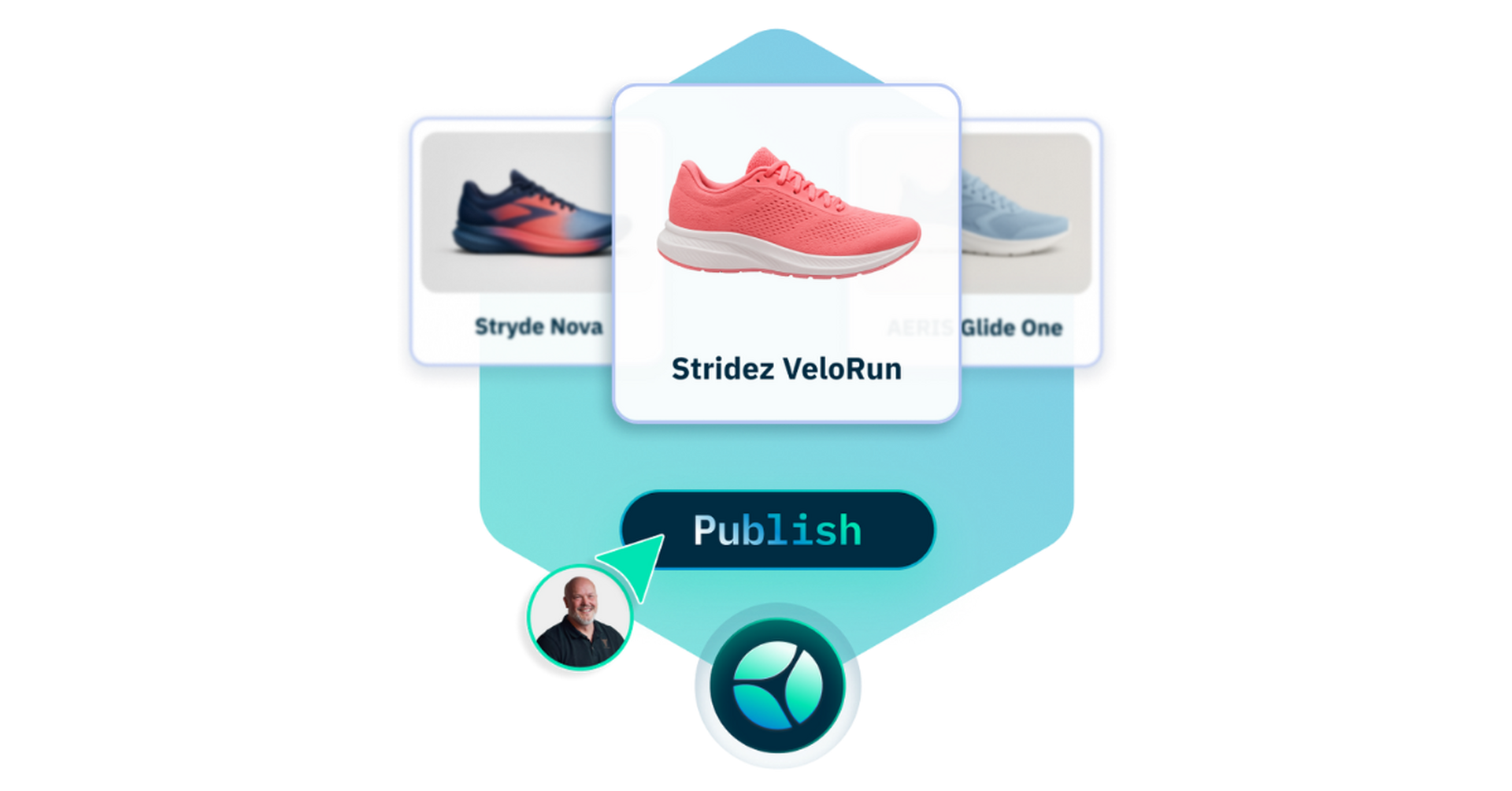
Amplience DAM includes automated media production. Upload one master image and the platform removes the background, extracts swatches, and crops it for every channel automatically, no separate media tool required.
Storyblok vs Amplience feature comparison
| Feature | Storyblok | Amplience |
|---|---|---|
| Platform scope | Headless CMS with a visual editor. | Content operations platform that unifies Amplience CMS, Amplience DAM, and Workforce. |
| AI workflow automation | FlowMotion is an Enterprise add-on built on a third-party engine. | Workforce is native to the platform, event-driven, and included by default. |
| AI assistant | Storyblok Agents is a chat-based assistant that works story by story. It can read components and assets but not change them. | Context-aware assistant that knows your screen and selection. It can create content types, tag and publish assets, and build image templates. |
| DAM and media | DAM with on-the-fly image resizing. No native background removal. | Amplience DAM includes automated media production, including background removal and swatch extraction. |
| Commerce integration | Named apps, custom Field Plugins for anything else. | Named connectors with deeper workflow integration. |
| Typical customer size | Skews small and mid-market. | Built for large-scale enterprise retail, powering 500+ global brands and 11B+ content requests a day. |
Storyblok and Amplience: Platform Considerations
Several capabilities sit outside Storyblok’s core subscription. FlowMotion is a separate add-on sold in tiers based on monthly workflow executions, custom DAM metadata fields are reserved for Premium and Elite plans, and features such as AI SEO and bringing your own AI provider are Enterprise only. AI credits are included in every plan, with the allowance rising by tier. When comparing platforms, map what’s included in the tier you’re being quoted against what requires an add-on.
Which Platform is Right for You?
If you’re weighing up Contentful competitors, here’s how to tell whether Amplience is the right fit for your team.
Storyblok suits you if you:
Want to build your own Field Plugins and configure integrations directly, rather than use pre-built connectors.
Are an earlier-stage or mid-market retailer where an Enterprise automation add-on isn’t a priority yet.
Have developer resources to build custom fields and plugins as you need them.
Amplience suits you if:
You run high-volume, multi-brand, or global retail content operations.
You want AI workflow automation and DAM production included in the platform, not licensed or built separately.
You want one platform contract covering automation and asset production, not separate vendor contracts to assemble and maintain.
What our customers say
Amplience powers content operations for some of the world’s leading retailers.
60%
lift in conversions
66%
lift in content productivity
The Amplience Content Operations Platform
Amplience CMS
Create, preview and publish content at scale.
Amplience DAM
Organize, enrich, and manage your media assets in one place.
Workforce
Agentic workflows for automated content production.
Frequently asked questions about Storyblok vs Amplience
Stop waiting. Start delivering.
Let’s talk AI, MACH, and a content operations platform that moves at the speed of your ideas.